
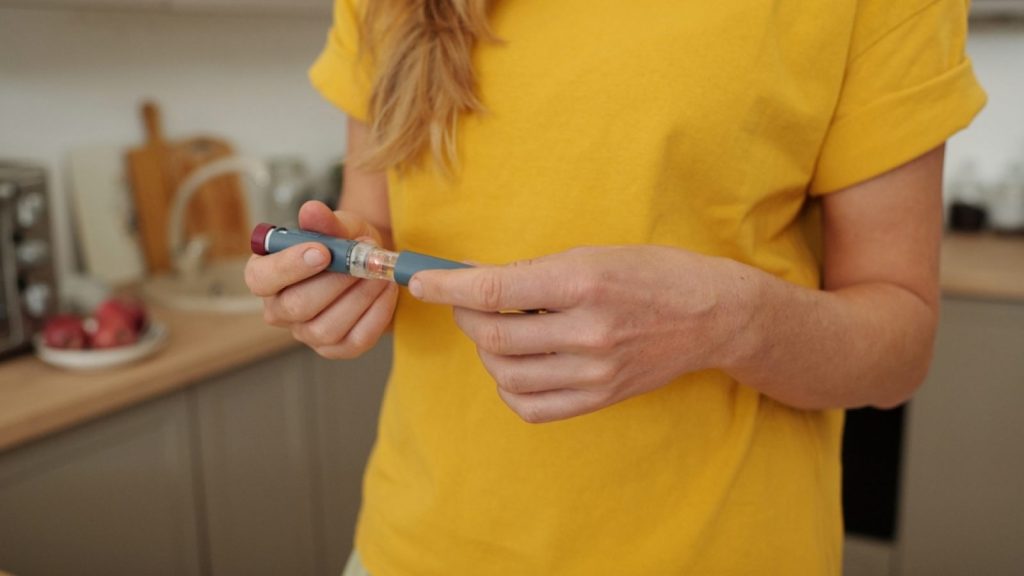
A Bit About Semaglutide And GLP-1 Medications
GLP-1 injections for weight loss have become increasingly popular over the last few years as people continue to share their success stories online over several social media platforms. According to 2024 data, approximately 41 million Americans are using these medications for weight loss, and a recent poll published on the KFF website revealed that 1 out of every 8 American adults is routinely using some form of GLP-1 medication to treat a chronic medical condition or to lose weight.
These medications work by mimicking hormones that your body produces naturally that drive your metabolism and help it to function properly. Sometimes underlying conditions or lifestyle habits can derail your metabolism, and it becomes sluggish or stops working the way it should, which can cause weight gain that is almost impossible to lose on your own. GLP-1 medications like semaglutide enhance your metabolic hormone levels and help your body better process the calories you take in. They help stop food cravings, help you burn calories rather than store them as fat, and slow down your digestive process so you stay feeling full for a longer time, which helps you lose weight.
What Happens To Your Body After Stopping Semaglutide?
You should have a good understanding of what happens when you stop taking semaglutide before you stop using it so you can be prepared. For your continued safety, you should not attempt to stop using semaglutide on your own if you have been using it for blood sugar control, and you should work closely with your doctor.
Your body becomes used to the help the medicine has been providing, so coming off semaglutide can cause several things to happen that will depend on the reason you were taking the medication to begin with.
For some people, carrying excess weight caused them to develop a metabolic medical condition that made it hard for them to maintain a healthy weight, but once they lost weight using semaglutide, this medical condition was no longer an issue. For these individuals, stopping semaglutide will be a process, and they will have to be prepared with strategies to overcome any semaglutide withdrawal symptoms so they can maintain their healthy weight.
For other people, discontinuing semaglutide may cause their metabolism to revert right back to the way it was before they began their treatment and cause their weight gain to resume again. Working closely with your weight loss doctor can help you create and implement a plan that can help maintain your results and provide you with the guidance, tools, and support you need to stay on track after you stop the medication.
Semaglutide Withdrawal Symptoms
When you stop taking semaglutide, you can experience a variety of side effects that can depend on your reason for using the medication in the first place. Some semaglutide withdrawal symptoms may include:
Changes In Your Blood Sugar Level
If semaglutide was helping you manage type 2 diabetes, you can experience a rise in your blood sugar levels after discontinuing the medication, causing symptoms like frequent urination, excessive thirst, and chronic fatigue to return or even lead to more serious issues.
Previous Symptoms May Return
If using semaglutide was helping to control symptoms of other conditions like insulin resistance, cravings, appetite control, cholesterol levels, etc., you are likely to begin to experience them once the semaglutide leaves your system.
Your Appetite May Significantly Increase
Many individuals have stated that they felt ravenously hungry after coming off semaglutide injections. This happens because the medication helps to intercept messages that are sent between your brain and your digestive system that regulate your appetite and control cravings for food. When you stop using semaglutide, your feelings of hunger and food cravings can come back with a vengeance.
You May Begin To Gain Weight
Semaglutide helps to decrease your appetite and prolongs the length of time that you feel full after eating, which helps you lose weight. After stopping semaglutide, your appetite can return to its previous state, or it may increase, causing you to gain back some or all of your lost weight.
For some people, much of the weight gain experienced is due to returning to their previous lifestyle habits, but for others it may be due to metabolic issues that require long-term use of the medication.
In fact, a Step-1 trial of almost 1970 adults was conducted who used semaglutide every week for 68 weeks and participated in ongoing lifestyle guidance. Out of the 327 individuals that were followed up with a year after the trial ended, every one of them had gained about ⅔ of the weight they lost back, and any heart or metabolic health issues they had previous to using semaglutide had resurfaced.
Digestive System Discomfort
Some people experience digestive side effects after stopping semaglutide because taking the medication slows down how fast your food is digested, and it stays in your stomach for a longer time. Your body becomes used to that slower pace, and when the semaglutide leaves your system, your stomach and intestines need time to become readjusted. You may experience side effects like gas pains, bloating, constipation, etc. Normally, these symptoms will gradually resolve as your body adjusts to not having the assistance of the semaglutide.
Mood Changes
Many people experience changes in their mood even though this is not listed as a common semaglutide withdrawal symptom. This can happen because there are many things that begin to happen all at the same time, and it can be a bit overwhelming. Some of the things that can contribute to mood swings, irritability, anxiety, or even depression include:
- Blood sugar highs and lows;
- Feeling hungry all the time;
- Experiencing severe cravings;
- The part of your brain that works to signal your digestive system has to rebalance;
- Experiencing weight gain.
Does Your Body Go Back To Normal After Semaglutide?
The answer is that it can be different for everyone and will depend upon their specific circumstances and what was previously “normal” for them.
For some people who have underlying conditions that were preventing them from maintaining a healthy weight with diet and exercise alone, stopping semaglutide may cause their metabolism to revert back to the way it was performing prior to their treatment no matter what they do.
For others, losing a significant amount of weight may have improved or eliminated any underlying issues they previously had and made it possible for them to maintain a healthy weight through making healthy lifestyle choices and without having to use semaglutide.
How Long Does Semaglutide Last In Your System?
Semaglutide remains in your system longer than you may realize. GLP-1 medications, including semaglutide, have what is called a long “half-life,” which means they break down slowly and can take several weeks to fully clear from your body. You will still be experiencing benefits of the medication for a while even after you stop taking it, which is why we often get questions like, How long does semaglutide last in your system? and how long does it take for semaglutide to get out of your system?
It can take anywhere from four to six weeks for semaglutide to totally clear from your body, and during that time you may still feel some mild side effects, but these will gradually disappear as your body adjusts.
Can You Stop Semaglutide?
Yes, you can, but you should not try to do it on your own, and you should work with your doctor to develop a safe and strategic plan. Your doctor will assess your situation and your dose and, with an understanding of why you began using semaglutide, will provide recommendations and guidance on how you should proceed.
What Is Safest And Best Way To Prevent Semaglutide Withdrawal Symptoms?
If you would like to stop using semaglutide and do it with the least amount of side effects as possible, you should reduce your dose gradually in the same way you introduced your body to the medication. It is not medically dangerous to stop using semaglutide abruptly; however, you may get more than you bargained for in withdrawal symptoms, which may include sudden severe food cravings that make it hard to manage your calorie intake.
Creating a strategic plan to gradually lower your dose over the course of several weeks will help give your body time to adjust to the transition, which will be easier on you both physically and mentally. The semaglutide will no longer be giving your body the extra help or intercepting the brain’s signals it was before, so you will need to concentrate on making healthy lifestyle choices, including eating a healthy diet, getting enough exercise, and making sure to get plenty of sleep to help your body come through the transition in the smoothest way possible.
Where Can I Find Out More About Using Semaglutide For Weight Loss?
If you have been struggling with your weight and chronic metabolic conditions, the team at IBI SlimMed is ready to help. We are dedicated to helping patients just like you overcome their weight loss challenges using medical intervention that does not involve surgery.
Dr. Angelina Postoev and her knowledgeable team of professionals at IBI SlimMed can help create a plan just for you and tailored for your circumstances to help you reach your weight loss goals. Contact us today and set up a personal consultation to learn more!